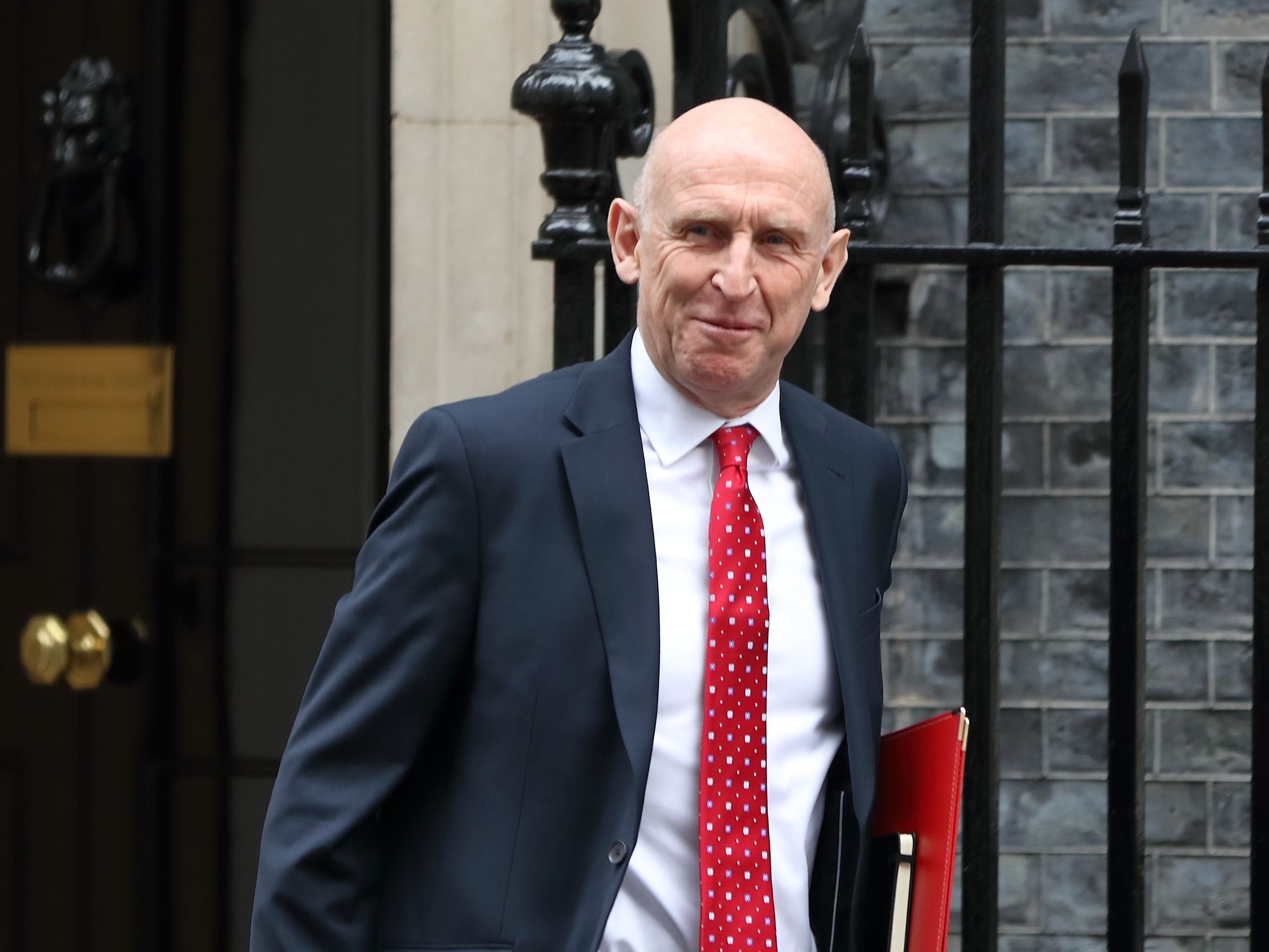
The wait is finally over. We now know what Mr Healey’s first Budget looks like. Ahead of time, there were relatively few announcements – we found out early this morning that standing charges for domestic gas supplies were to be abolished from 2027, and this seems to confirm what many were expecting the tone and focus of this Budget to be – dealing with the cost of living, or as the Chancellor put it in his speech, providing “breathing space”, rather than making significant changes to the tax system.
However, the 59-minute Budget was more densely packed than most of us were expecting, and no doubt, when full details are published, we will find out more still.
Ahead of Gravita’s full Budget Analysis, which will be available over the coming days, here are our take aways from the Budget speech.
Income Tax
- No major changes to Income Taxes for working people – income from employment and dividends will not be increased, although it was said that the way individuals extract money from companies will be taxed more consistently, so long term, that may mean that dividends do not escape fully
- For landlords and investors, a further 2% will be added to Income Tax rates in addition to the 2% due to be added in 2027. Basic rate taxpayers will be paying 24%, higher rate will pay 44% and additional rate will pay 49% – for higher and additional rate taxpayers, that is even more than they would be paying if National Insurance had been added
- The Personal Allowance and bands were frozen, again, for most people. Pensioners fared better, with an increase in the tax-free personal allowance designed to cover the whole of the full state pension – if this is the only income, they will not pay any income tax
- Those paying tax under self-assessment will be making “smaller more regular payments” from 2029 – rather than use MTD to do this, which seemed logical, there will be the option to pay these via PAYE. A further consultation is to be held before this is introduced
- Good news for the smallest sole traders – the trading allowance will triple from £1,000 to £3,000 from next year, reducing admin for those businesses with small income levels, and saving tax for some too
Capital Gains Tax
- The Business Asset Disposal Relief (BADR) allowance will be halved down to £500,000 from 6th April 2027, with anti-forestalling provisions in place. This could cost those selling their businesses up to £30,000 when compared to the current £1 million allowance – of course it used to be £10 million, and compared to that, this is a big loss
- A new Founders Relief will be introduced which will cut the Capital Gains Tax rate for founders and early investors selling eligible businesses to 10% (better than the 18% BADR rate), with a £10 million lifetime allowance. It looks as though it will apply to only the fastest growing and most innovative businesses
Inheritance Tax
- No specific measures were announced but the Chancellor hinted that he wanted to protect those genuinely passing on family businesses to the next generation, so watch this space – the government have a 10-year plan after all…
Corporation Tax
- The full expensing Capital Allowance regime will be made permanent, along with an increase in the first-year allowance for non-qualify assets to 50%, but with standard Writing Down Allowances being reduced to 12%. The idea is to front load the relief from April 2027
- What the Chancellor referred to as “EMI 2” will be introduced, extending the reach of the current scheme so that more businesses (and their employees) can benefit from the tax advantages. More details will no doubt follow
- As expected, banks will be subject to further taxes and will pay a further 3% surcharge on profits for a 15-month period from January 2027, taking the total surcharge up to 6% during that period. As the Chancellor commented, “we helped them 20 years ago. Now it is their turn”
VAT
- VAT will be zero-rated on sale of land to housing associations – reducing the risk and administration on the current system where, if charged, housing associations cannot recover the VAT
- Online marketplaces will be responsible for collecting VAT on sales by UK VAT registered businesses from October 2027 – personal sellers and second-hand goods look set to be exempted
- VAT treatment of cross-border services – From April 2027, the Reverse Charge on cross-border supplies of services will be restricted to VAT-registered businesses. Where overseas providers make supplies of services to non-VAT registered UK businesses, they will be required to account for VAT in the normal way. This will be introduced through legislation in Finance Bill 2026-27 and VAT on public electric vehicle charging
- The government will introduce legislation in Finance Bill 2026-27 to clarify that electricity supplied through publicly accessible, and workplace electric vehicle charging points is subject to 20% VAT and is not considered domestic use for the Climate Change Levy. The legislation will take effect from 1st November 2026
Stamp Duty Land Tax
- No major announcements in the Budget and so the rumoured reform of SDLT is clearly not something that is going to happen any time soon
Other changes in the 2026 Autumn Budget
Various other announcements were made which whilst are not strictly tax, will have a day-to-day impact, for both good and bad:
- ISA reform will not go ahead, so individuals can still contribute up to £20,000 to cash ISAs each year
- A £100 energy payment will be made for those in council tax bands A-D this winter
- £15 million will be provided to help with providing books for children
- Self-employed people will be entitled to paid paternity leave for the first time ever
- Savings on business rates for retail and leisure businesses on the high street, effectively paid for by higher taxes on gambling and vape shops
- A tax for “overnight visitors” will be allowed in some areas – i.e. a tourist tax
- Triple lock to be scrapped in favour of pensions being increased by earnings and inflation
- A Scale Up fund for female founders will be introduced with £200,000 being used to help the businesses of female founders. Young entrepreneurs of both sexes will also benefit from a years’ worth of living costs
This is of course only a snapshot of what we know so far. Please look out for our full, considered analysis which will be available on the Gravita website over the coming days.