Men's mental health: starting conversations and building supportive workplaces (Swindon Mindful Employer Network)
The latest Swindon Mindful Employer Network event brought employers together to explore men's mental health challenges and how to build more inclusive and supportive workplaces.

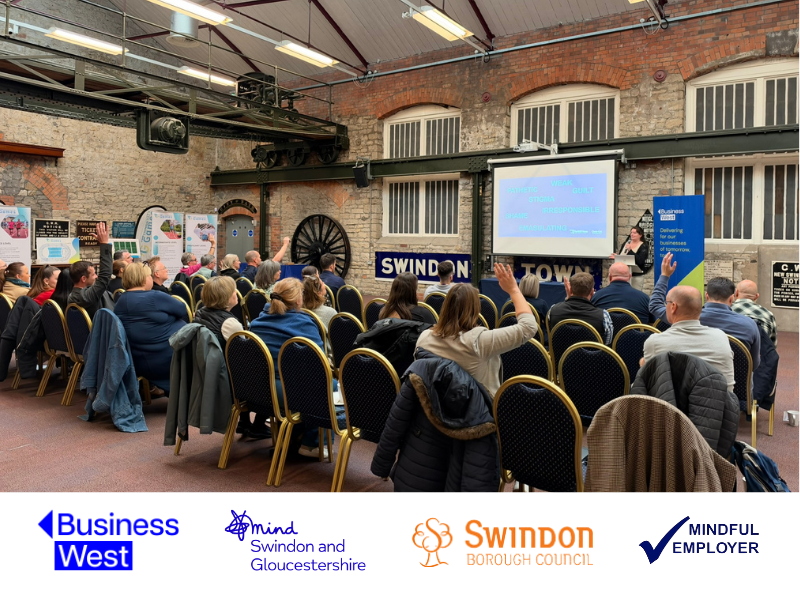
How can employers help break down the stigma around men's mental health and create workplaces where people feel comfortable asking for support? This was the focus of this month’s Swindon Mindful Employer Network event, bringing local employers together to explore the challenges men face and what employers can do to make a difference.
Held at Steam Museum on 4th November, the session featured speakers from Swindon Borough Council, Case-UK and The Longevity Games, sharing personal experiences, practical advice and ideas for supporting men's mental wellbeing.
Understanding the barriers to support
Isaac Parry, Public Health Practitioner at Swindon Borough Council, opened the session by drawing on his previous experience working in the scaffolding industry to explore the pressures men can face, particularly in construction.
It was noted that workplace cultures built around toughness, banter and competition can, in some cases, create a strong sense of camaraderie, but can also make it difficult for men to admit when they're struggling. Financial pressures, physically demanding work and the fear of being judged can all contribute to people keeping problems to themselves.
Isaac encouraged employers to look beyond the traditional signs of someone struggling and think about how they can build trust and a sense of belonging within their teams.
Behind every hard hat and every hi-vis jacket, there's a person. And every person has a story.
These conversations don't always need to start with a mental health focus, and in fact, creating opportunities for people to connect through shared interests and everyday conversations can help build relationships and make it easier to open up over time.
Ending the silence around men's mental health
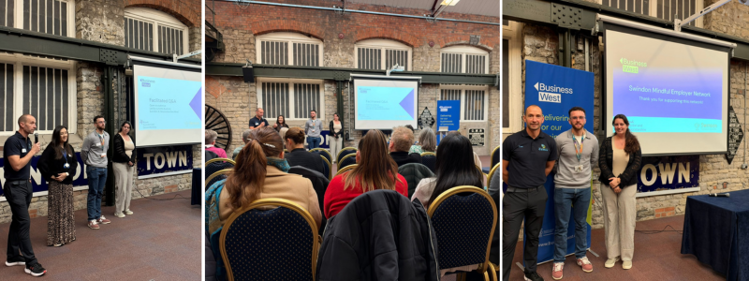
Katriona Goodsell, Business Development Executive at Case-UK, explored the stigma surrounding men's mental health and why some men may find it difficult to access support. The statistics underline some of the challenges, with men accounting for around 75% of deaths by suicide.
Katriona also discussed how mental health struggles can present themselves differently, including withdrawing from others, increased irritability and using alcohol or substances as a way of coping. Her message was that employers have an important role to play in recognising these signs, challenging stigma and making support more accessible.
Together, let's change the narrative, one conversation at a time.
Case-UK offer a fully funded Access to Work Mental Health Support Service, delivered by Able Futures, which provides individuals with up to nine months of tailored support from a mental health coach. She also outlined the training available through Case-UK to help employers better understand and support their teams.
The importance of community and staying active
Tim Howe, Founder of The Longevity Games, shared the story behind his community fitness initiative and the connection between physical activity and mental wellbeing.
After turning 50, Tim began thinking more about his long-term health and the importance of staying active and independent as he got older. This inspired him to develop The Longevity Games, which has grown from a small community bootcamp into an initiative encouraging people of different fitness levels to get involved.
Regular movement can support mood, reduce stress and improve sleep, while exercising alongside others provides valuable opportunities to build friendships and feel part of a community.
The emphasis is on making activity welcoming and accessible, with different levels available and no pressure to compete.
When you invest in your physical health, you invest in your mental health.
Tim also shared plans to expand free community training into more neighbourhoods across Swindon, helping more people access opportunities to get active and connect with others.
Key takeaways for employers
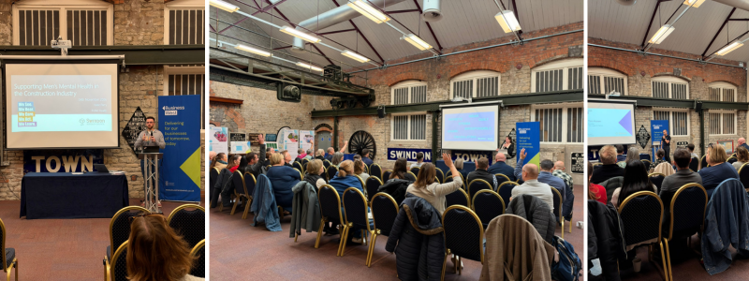
The morning finished with a facilitated discussion and Q&A, led by Lynette Buebird from Swindon & Gloucestershire Mind. Attendees explored how organisations can challenge traditional expectations around masculinity and create a culture where people feel able to speak openly.
Some of the key messages from the session included:
• Build relationships before you need them. Creating a sense of belonging and opportunities for informal conversations can help people feel more comfortable opening up.
• Don't make every conversation about mental health. Start with everyday topics and shared interests rather than putting pressure on someone to talk about how they're feeling.
• Recognise that everyone copes differently. Changes in behaviour, withdrawal and irritability can sometimes indicate that someone is struggling.
• Make support accessible. Consider the practical barriers employees may face, particularly those working shifts or in physically demanding roles.
• Challenge traditional expectations. Encourage an environment where people can be honest about their experiences without feeling that showing vulnerability is a weakness.
A recurring message throughout the session was that improving men's mental health isn't something that sits with one individual or department. Employers, colleagues and the wider community all have a part to play.
Looking ahead
As announced at the event, this was the final session in the Swindon Mindful Employer Network series. With the current programme funding coming to an end, the series will not be continuing into 2027.
We'd like to thank everyone who has been involved over the past seven years and has helped make the network such a valuable space for local employers to share experiences, learn from one another and support mental health and wellbeing at work.
For ongoing support with workplace mental health and wellbeing, Swindon and Gloucestershire Mind offers advice, guidance and training for employers. Find out more on their website.
Further support
The presentation slides from this event are available to download for those who missed the session or would like to revisit the advice and statistics shared.
During the Q&A, attendees were also signposted to the following resources:
◀ ManUp?
◀ Time To Talk Mental Health UK
For anyone needing more immediate support, the following services are also available:
◀ CALM
◀ Shout
Useful resources
Slides