
Q&A with Matt Griffith, Business West’s Director of Policy
Matt Griffith, Business West’s Director of Policy, explains how his team represents members, uses evidence to help shape policy, and works with partners to drive investment and long-term growth.
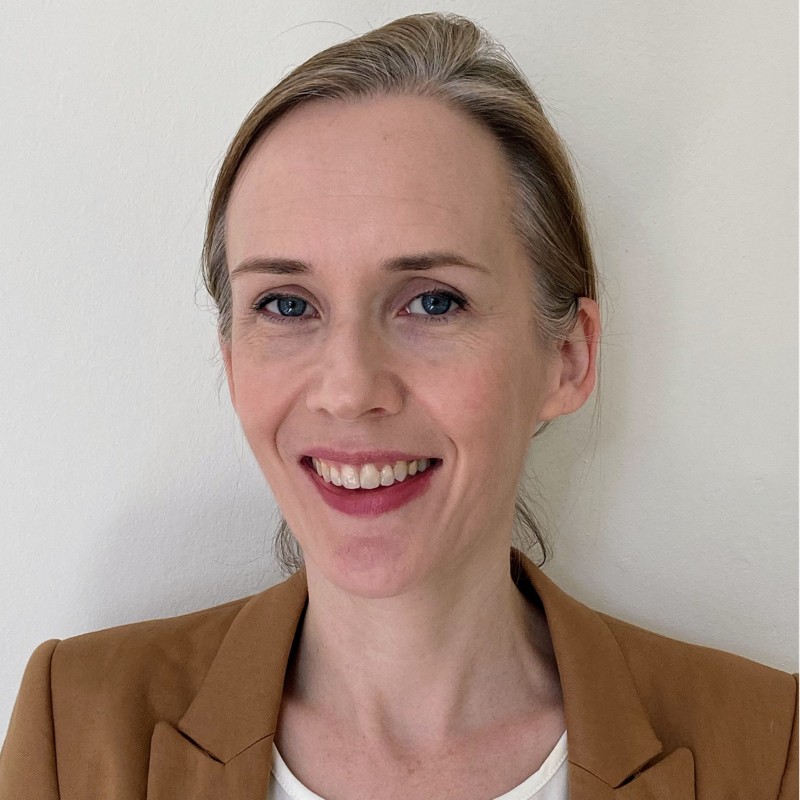
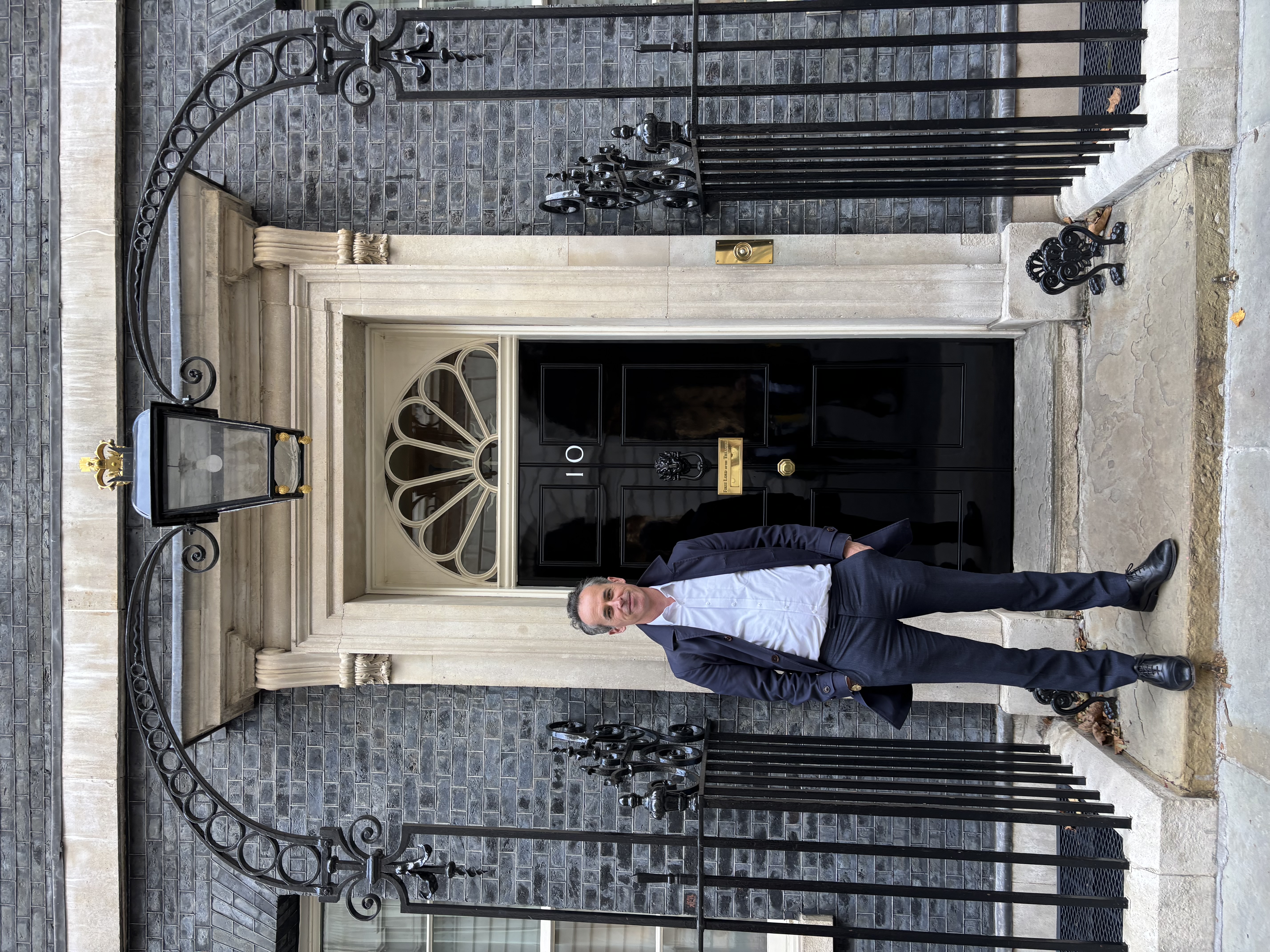
What is your role in simple terms?
I’m the Director of Policy, and my job is to listen to and represent our members: to understand what’s happening in the economy, what individual businesses are experiencing, and the issues they face.
I also represent Business West to the outside world, locally and nationally. I manage our research programmes and think about how we can use evidence and intelligence to make a stronger case for our region.
We focus on projects that can drive prosperity and unlock opportunity. For example, in Swindon, we are working with the council, businesses and national bodies to support regeneration and a new wave of investment into the town.
Who do you work with?
I work with a small but excellent team of colleagues across research, policy and programme delivery. This includes three researchers who work for Futures West and the Brunel Centre, and two policy specialists who support our work on regional growth, evidence-building and practical delivery.
I also collaborate very closely with colleagues across Business West, including with our Director of Futures West, and with our membership, international trade and export support teams.
A lot of my time is spent speaking to people outside Business West. Depending on the work, that can range from investors and political leaders to business owners and employees.
What does a typical day look like?
The great thing about Business West and this role is that you rarely have a typical day. We try to be as flexible and impactful as possible, responding to members’ concerns and what is happening in the outside world.
During Brexit, that meant acting as an interface between our key businesses, exporters and government. During COVID, it was also very fast-paced. Now, the role continues to shift with the issues businesses are facing, from skills and training to transport, housing and how we work with regional leaders to find solutions and build confidence.
Devolution is now a major national policy priority. That is good news for our region, which is economically important but has often been underappreciated by central government.
What are your most important daily tasks?
I have a host of internal and external deadlines, and often spot something happening that is worth acting on, based on what our members are saying. This summer, for example, a member was concerned about increased steel quotas and the impact on their business, so I had to act quickly by raising the issue with central government through the trade lead at the British Chambers of Commerce.
Then, there is work on local and regional plans, which can take months or years. Often, there isn’t one clear business voice locally. Councillors are understandably focused on residents’ needs, and may not have day-to-day experience of business issues or the role businesses play in creating jobs and place-making.
Planning is a good example. Housing often dominates the debate, while employment land and future business needs can sit much further down the list. We are often the only voice in local plan examinations asking: where will business grow, and what happens if industrial sites are lost? Bristol and the wider region lack available sites, which is why a local business voice matters. We need employment sites so we can create the jobs that our region needs.
What type of decisions do you have to make?
The big ones tend to be about prioritisation. We get rich feedback from members, and there are big structural issues businesses face, from taxation and recruitment to getting goods to market or dealing with transport issues.
Because we are a relatively small organisation, we have to be smart about how we use our voice and resources: what do we choose to do, when do we do it, and how?
It is about balancing short-term and long-term priorities, while also doing justice to individual businesses when they are facing real challenges.
Can you share an example of the team’s impact?
A good example of how we can act as a voice for the business community was during COVID. It was a huge shock to everyone’s lives, and to businesses that suddenly could not trade, had staff to support and faced major shocks to income and cashflow.
Decision-making suddenly became very flat. We set up Trading Through Coronavirus so businesses could ask what the guidance meant and what support was available.
One manufacturer contacted us because the furlough guidance did not cover parents who could not work while schools were closed. I forwarded the issue to the British Chambers of Commerce policy team, who raised it with the Treasury within hours. Shortly afterwards, the guidance was updated to allow staff with parenting responsibilities to be furloughed.
This recognised the critical importance of childcare to a large part of the workforce and the implications for employers, potentially preventing a wave of redundancies.
That shows how we can amplify a real business issue and help shift an important government scheme very quickly.
What’s your current focus?
We are trying to articulate what business growth can add, and how you can unlock it further, in a country that is in a difficult spot economically. Growth has been fairly stagnant for a long time, and there are pressing issues around having enough tax revenue to pay for public services, from schools and hospitals to defence.
Our Quarterly Economic Survey shows that confidence among our members in the UK economy has been consistently negative since 2017, apart from two quarters of positive sentiment. If businesses are pessimistic, they are less likely to invest, recruit, export or take risks, and that can become a self-fulfilling low-growth cycle.
In Swindon, five years ago, inward investment enquiries were not being fulfilled as well as they could have been. We worked with the council to strengthen that offer, including making the case for practical, investable sites, and have seen real progress. We are also working on regeneration around the town centre and station, including Signal Point.
We are also working with local politicians to show what more devolution, including retaining more tax revenue and having more powers locally, could mean for unlocking growth in a very centralised country.
What would you like people to know about the policy team?
We are here to help businesses navigate and solve problems. We absorb insight from businesses and communities, and although we are small, we try to be as effective as we can.
We understand the region and businesses like yours. We can also act as a route into other networks, whether that means helping you engage with government, connecting you with other organisations, or putting you in touch with businesses facing similar issues or opportunities.
We are making the case that this area has huge potential: a varied business base, a highly qualified workforce, innovative businesses, strong exporters and major assets that could go further with the right support for housing, transport, employment land and skills.
The best way for members to engage is to use the services membership gives you: meet other members, attend forums, and come to events where national and local figures share their perspectives.
Every year we run the Festival of Flourishing Regions, which attracts national figures across business, policy and media. We try to promote the exciting things happening here and help businesses feel connected to the region’s future, rather than feeling change simply happens around them.
We want local businesses to be heard, connected and able to influence what happens next.
What excites you most about the future?
Our region is rich with talented people and ideas, a strong collaborative culture and a sense of wanting to make the place better. There is something energising about a place that believes in its future potential, is not complacent, and wants to do ambitious things.
The exciting part is how we turn that energy into practical opportunities for businesses, communities and the wider economy. The UK could do more to harness the power of entrepreneurship, trade, exports and connections. We are lucky to live in a prosperous, well-connected place, with fantastic universities, innovation and ideas.
We are spending time not just speaking to central government, but building relationships with dynamic places around the country, including Cambridge, Oxford and Manchester. That is part of our work with the Growing Together Alliance. The premise is that regional growth is not a zero-sum game, and that the UK innovation economy operates as a connected system.
What is your advice to someone interested in working in policy and public affairs?
With any career, it is important to get as much experience as possible. Political roles, think tanks and public affairs can all be valuable routes in, and give you important insight into how decisions are made. But it is also useful, wherever possible, to build an understanding of how things work beyond the political world, whether that is through the private sector, voluntary sector, local communities or a particular place and economy.
If I was setting out, I would try to get varied experience and stay curious. Think about where the most exciting developments in the UK are now, where you want to live, and what you want to do. Choose things that teach you something new about the UK’s place in the world, and your place’s place in the world. Every sector can be interesting when you understand the ideas, relationships, technology, trade, stories and common projects that make things happen.