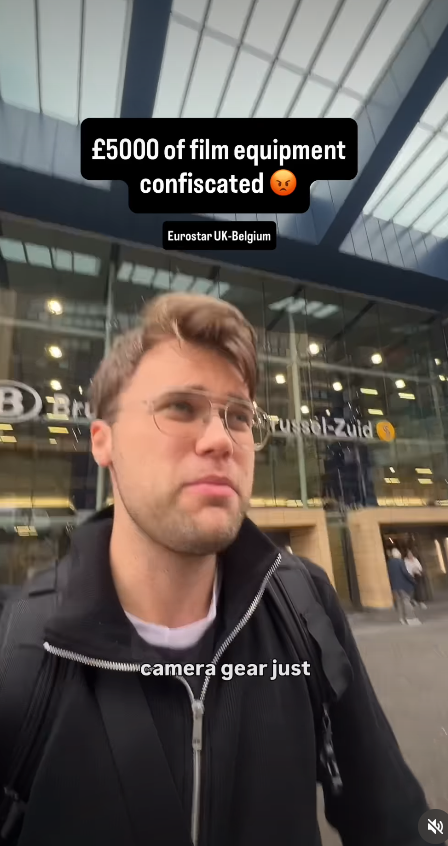
A British-based photographer and filmmaker travelled to Brussels for a client shoot carrying around £5,000 worth of professional camera equipment. When Belgian customs asked to see his ATA Carnet, he didn’t have one – and, by his own account, hadn’t heard of one before.
Customs held the equipment for the duration of the trip. Although it was returned when he left Belgium, losing access to his kit the day before a paid shoot put the whole job at risk.
Do photographers need an ATA Carnet?
It’s an easy mistake to make. Cameras, lenses, lighting, sound equipment and other professional kit may feel like personal luggage when you’re carrying it yourself – but customs can view them very differently when they are being taken overseas for work.
When professional equipment is taken temporarily from the UK into another customs territory, the authorities need to know that the goods are not being permanently imported or sold and will leave again.
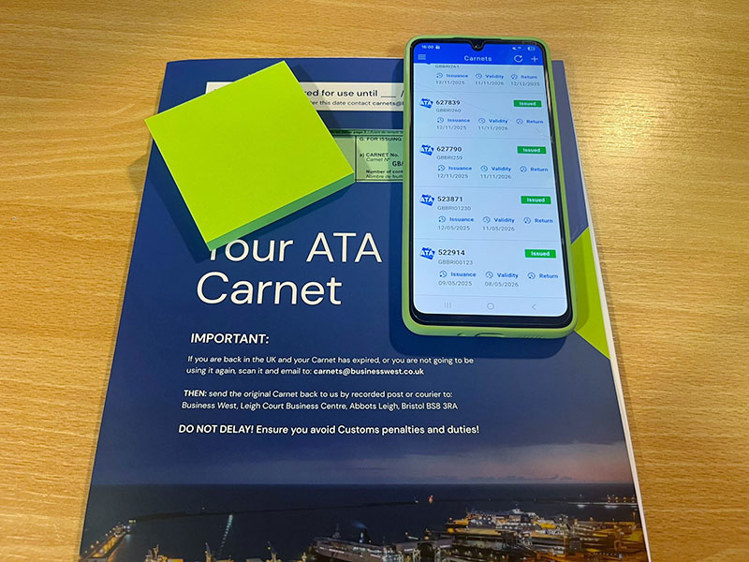
An ATA Carnet provides that evidence and acts as an internationally recognised customs document for temporary movements of eligible goods, including professional equipment and is presented to customs when goods enter and leave the relevant country.
Jacob Zatorzky in Brussels
Do I need a Carnet if I carry the equipment myself?
Carrying equipment in hand luggage, in a car or on Eurostar does not automatically make it personal belongings. If it is professional equipment being used for commercial work, temporary-import rules may still apply.
The equipment list (general list) matters. It should include sufficient detail to identify each item, including make, model and serial number where available. Inaccurate descriptions can increase the risk of delays, inspection or claims.
New: How a Digital ATA Carnet helps
Since 1 June 2026, Digital ATA Carnets have become the standard across the UK, EU, Norway and Switzerland.
A Digital Carnet, presented on an app, automatically allows customs to see that the equipment is entering temporarily and is expected to leave again.
This isn’t the first time businesses have been caught out
We’ve seen similar problems before. In 2022, a Welsh charity cycling club faced an €8,500 customs charge after bikes sent ahead to Spain were not accompanied by the appropriate temporary-import declaration. An ATA Carnet could have avoided the issue.
The goods may be completely different – bikes in one case, camera equipment in another – but the underlying issue is the same: goods are leaving the UK temporarily and customs need evidence of what they are, why they are travelling and that they will return.
Who else should be thinking about a Carnet?
- musicians and touring productions
- exhibitors and event teams
- engineers carrying specialist tools
- universities and researchers taking scientific equipment
- businesses taking commercial samples abroad
- sports organisations and teams travelling with equipment
Before you travel: three things to check
- Are the goods travelling temporarily?
If they’re coming back to the UK and are being used for professional purposes overseas, check whether an ATA Carnet is appropriate.
- Is your destination part of the ATA Carnet system – and is it operating digitally?
Check the current country and route requirements before travelling.
- Is your equipment/general list accurate?
Record makes, models, serial numbers and values before applying. Customs need to be able to identify the same goods when they leave and return.
Taking professional equipment overseas? Check before you travel.
If you’re unsure whether you need an ATA Carnet, our award-winning, 25-strong team can help you understand the requirements for your journey and prepare the right documentation before your goods reach the border.