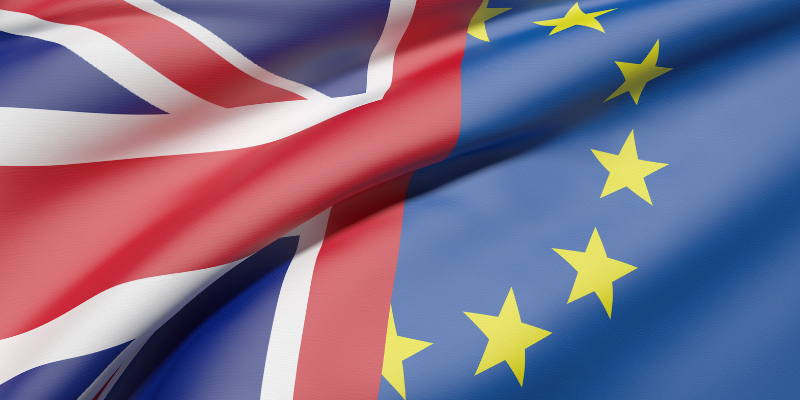
The UK–EU leaders’ summit on 20th November brought some welcome progress, particularly for businesses trading food, animals and plants. The UK and EU have concluded negotiations on new agreements, with the main changes for goods traders expected in 2028, subject to both sides completing their formal procedures. If you trade with the EU, keep using your current paperwork and border processes.
What could change for your business?
If you trade food, animals or plants, the new agreement, due to apply from 1 March 2028, would remove most routine health certificates, advance notifications and border checks for eligible goods moving between Great Britain and the EU. For a small food producer sending regular consignments to European customers, that could mean lower paperwork costs and more predictable delivery times. Customs clearance will still apply.
If you export goods such as steel or aluminium, the UK and EU aim to link their carbon markets by 1st January 2028. That would pave the way for exemptions from their respective carbon border charges, subject to further formal steps. In the meantime, check whether your products are covered by the EU’s Carbon Border Adjustment Mechanism and ask your EU importer what emissions information they need from you.
The summit also concluded talks on a Youth Experience Scheme, which could widen recruitment and training opportunities over time.
What should you do now?
Before 1 March 2028, if you are exporting to the EU, businesses must continue to follow existing requirements and processes.
But you can start preparing. Start with the products and routes you use most. If you trade food or plants, use Defra’s initial guidance to check which shipments could benefit. Look at what you currently spend on SPS certificates, inspections and delays, then speak to your freight forwarder or customs agent about where you could save time or money once the changes take effect. If you manage these processes internally or need further advice, our team of experts will be able to help.
The next milestone is more detailed guidance on how the agreements will work in practice. Business West and the British Chambers of Commerce (BCC) are pressing for clear delivery dates, practical guidance, as well as a formal agreement to protect the role of UK suppliers in European supply chains. That matters if you sell components, materials or services to EU manufacturers.
If you would like help checking your export paperwork or understanding which rules apply to your goods, contact our International Trade Team.
Finally, BCC are holding a webinar on Wednesday 25th November, 10:00–11:00 GMT, looking at what the outcomes of the UK-EU Leaders Summit mean for business and trade. Register for the webinar now.
References
https://www.britishchambers.org.uk/news/2026/11/eu-summit-must-act-as-a-springboard/
https://www.gov.uk/government/publications/ukeu-summit-2026-key-documents/uk-eu-summit-2026-explainer-html
https://www.gov.uk/government/publications/ukeu-summit-2026-key-documents/uk-eu-summit-2026-joint-statement-html
https://www.gov.uk/guidance/changes-to-importing-and-exporting-food-animals-and-plants