
A day in the life of Catherine Stephens, Head of International Trade Services at Business West

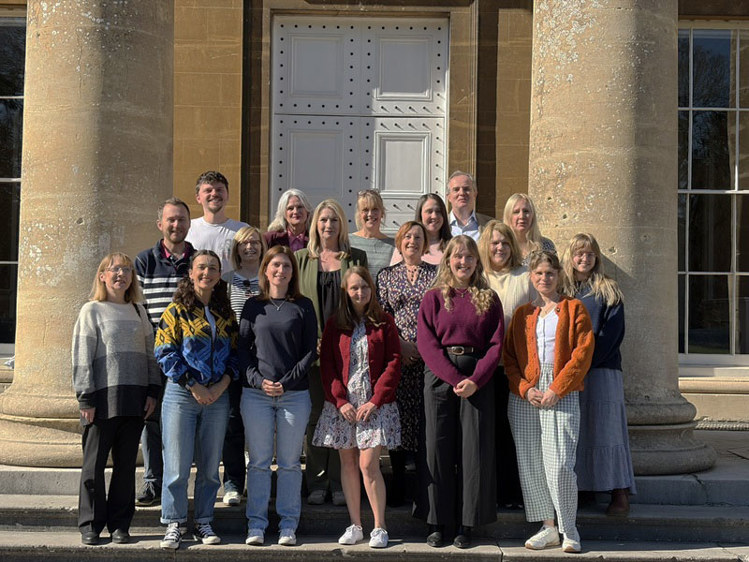
For nearly three decades, Catherine Stephens has played a key role in Business West’s International Trade Services, helping companies navigate the complexities of exporting and global commerce. In February, Catherine was awarded Fellow membership status of The Chartered Institute of Export & International Trade. In this Q&A, she reflects on her career journey, the role she plays today, and shares her lessons on leadership.
What is your role in simple terms?
I am Head of International Trade Services, and my role is to help businesses trade internationally successfully, confidently and compliantly.
Our department provides exporters with the documentation, guidance and support they need to move goods across borders legally and efficiently.
I lead a team of specialists who process certificates of origin, ATA Carnets, letters of credit and other international documents. I also monitor global developments, including the ever-changing tariff landscape, to understand their impact on UK traders and to identify and develop services that support them.
Exporters often come to us overwhelmed or unsure about how changing laws affect them. My team and I explain these complexities in plain English, helping them remain compliant, avoid costly errors and identify opportunities they might not otherwise see.

How has your role changed?
When I joined Business West, 28 years ago, I processed export documentation. I then worked my way around all the different areas of the department. Over time, I moved into new responsibilities, became Assistant Manager, and later Head of International Trade Services. It’s been a career shaped by continually saying “yes” to new opportunities.
My role has changed tremendously over the years. Today, I am far less involved in day-to-day processing and more focused on how geopolitical factors affect our UK international traders. I look at finding solutions to help them navigate the ever-changing face of global trade.
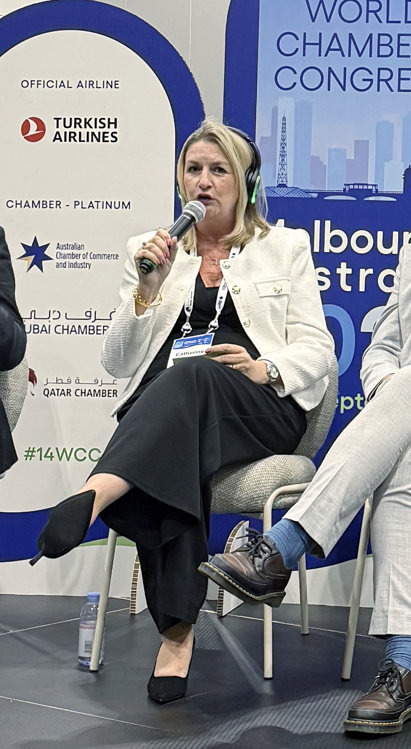
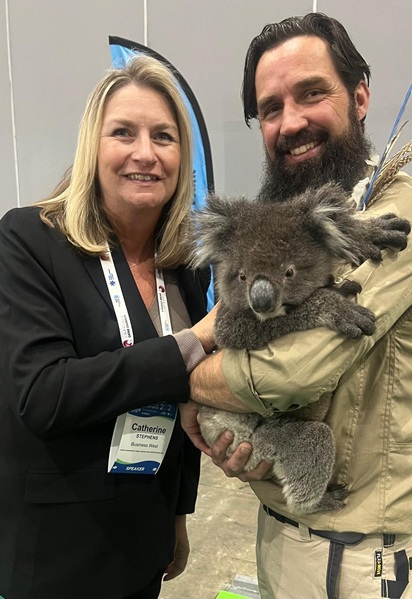
I also work closely with the British Chambers of Commerce as an assessor, trainer and inspector of documentation departments across the UK. I also work on international projects, such as Genesis, with my colleagues at the International Chambers of Commerce. I’m also on the UK National ATA Carnet Organisation (NATACO) advisory board, and speak at global trade events. For example: Last year, I was invited to speak at the International Chambers of Congress 14th World Chambers Congress in Melbourne Australia on origin of goods, Free Trade Agreements and their benefits.
What does a typical day look like?
No two days are ever the same. I might be visiting customers, attending meetings, writing presentations, delivering training sessions, reviewing global developments that could impact traders, or identifying gaps in the market and developing new services. I also work closely with our marketing team to create content and raise the profile of our international services, both in the UK and globally.
How do you start your day?
I always begin by checking emails, which sometimes seems like a never-ending task! Then I plan my day and week, prioritising what absolutely must be done.
What are your most important daily tasks?
All tasks are important, as just about everything we do will impact our customers and their businesses. However, the most important part of my role is looking after my team. They are the ones delivering vital services to exporters every single day. If the team feels supported, confident and valued, our customers receive the best possible service.
We also have incredible long-term retention within the team, many colleagues have been here for over 10 years, and some for more than 30, which says a lot about the culture we’ve built together.
What type of decisions do you have to make?
A major part of my job involves deciding the correct origin of goods. It sounds simple, but it has real financial implications for exporters. There are strict guidelines and set parameters we must work within, but it’s not always black and white.
Often, exporters aren’t using the correct origin rule, or their products fall into “grey areas” where the manufacturing process, components or supply chain make the origin unclear. In these situations, I have to assess the evidence, interpret the rules and sometimes make a judgement call when the answer isn’t obvious.
Because origin affects tariffs, duty rates and even whether goods can be shipped into certain markets, these decisions carry real-world consequences for customers.
What moments during the day feel most rewarding?
The most rewarding moments come from offering practical advice that genuinely makes a difference. If we can help make one of our customers lives just a little bit easier because of a simple piece of advice, this makes me happy.
What might surprise people about your job?
A big part of our role is to provide ATA Carnets, which is essentially a ‘passport for goods’. They are used by bands, touring artists and major sporting events. Every single item, from costumes and instruments to microphones and cables, need to be listed on the Carnet and checked by the team here at Business West.
Many people are surprised by the high-profile nature of some of the work we do. We’ve supported documentation for Winter Olympics staging and lighting companies, World Cup logistics, international film and TV productions and global music tours, including artists such as Dua Lipa, Robbie Williams and Coldplay. For those of you of a more mature generation, we also did the Rolling Stones a few years ago!
One of the standout moments of my career was being invited to a Royal Garden Party at Buckingham Palace, where I had the unexpected honour of meeting Her Late Majesty Queen Elizabeth II. As patron of the British Chambers of Commerce, she met a small group of us from the Chamber network. She even commented on how challenging it must have been advising businesses during the uncertainty around Brexit. It was surreal, and very special.
What makes a good day?
A good day is one where I’ve completed my tasks, solved problems and helped customers and colleagues. And at the end of the day, I love to unwind with a gin and tonic, rhubarb and raspberry Tarquin’s with ginger ale to be specific!
What are your lessons on leadership?
I’ve learned that you cannot lead every person in the same way. What motivates one person might overwhelm another. Emotional intelligence is essential: understanding how your words land and adapting your approach to suit each individual.
I also pay close attention to stress levels within the team. International trade can be intense, and sometimes people just need encouragement to step away, reset and return refreshed.
Finally, leadership means being honest with your team and with customers. Setting clear expectations protects the team, builds trust and ensures we deliver a high-quality service without compromising wellbeing.
What is your advice to someone interested in working in this field?
International trade is a huge field. Trade documentation is only one part of the export journey; there are many different areas within the sector that you could specialise in. You could work in customs, logistics, consultancy, finance, trade policy or many other areas. That’s what makes it so interesting.
My advice is simple: be open to learning, and take every opportunity you are given. You never know where it will take you.