
ATA Carnet Case Study: Highwater Films
An ATA Carnet acts as a 'passport for goods’, allowing for duty and tax-free temporary movement of goods between certain countries. The ATA Carnet scheme is now operating in over 80 countries worldwide, and is particularly important in allowing UK-based companies to temporarily import their goods into the EU.
Carnets are an effective at moving goods temporarily as they avoid customs charges and the difficulties that occur when travelling without one, particularly for production companies who often use ATA Carnets when temporarily exporting their equipment to overseas locations.
We spoke to Jack Williams, Creative Lead & Director of Photography of High Water Films, a video production company who used an ATA Carnet to temporarily export film equipment to the EU for a shoot.
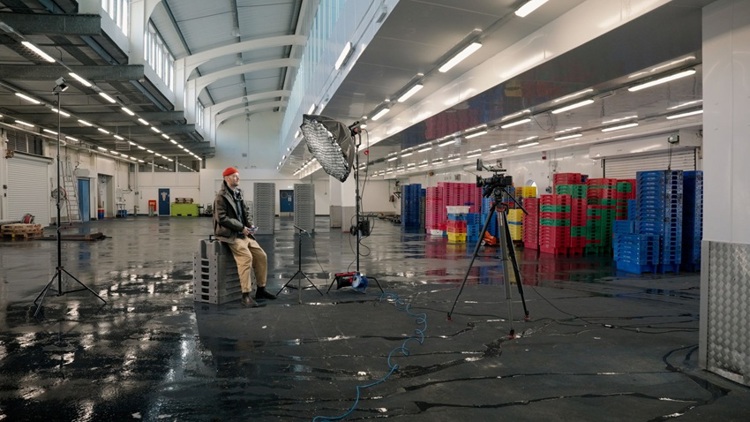
Can you tell me a bit about High Water Films and what your role is?
High Water Films is a small video production company, based in Cornwall. We make commercial video for brands with a lot of work in lifestyle, interior, marine and product, with a focus on high production value and a refined, reliable process. I’m the director and lead filmmaker, so I look after everything from client comms and planning through to shooting, post-production, and delivery.
Why do you use ATA Carnets?
It's kind of essential to do so when travelling with high-value kit on high-value projects. Clients expect everything to be above board and by the book... plus it makes travelling with professional kit far less stressful! When you’re carrying cameras, lenses, lighting, audio, and support gear, you want a simple way to prove it’s temporarily exported - not goods you’re selling abroad. A Carnet gives that clarity at customs and helps avoid delays, unexpected charges, or awkward conversations when you’re on a tight schedule.
Why do you apply for them at Business West?
I tried arranging one through my local chamber of commerce as recommended. Repeatedly. The experience left an awful lot to be desired (including any of the repeatedly promised call backs!) After a little more research I found Business West, and it was immediately clear that they were the right choice. It was clear that they were/are the ATA Carnet experts and they were brilliant, especially as it was something I had no familiarity with at all.
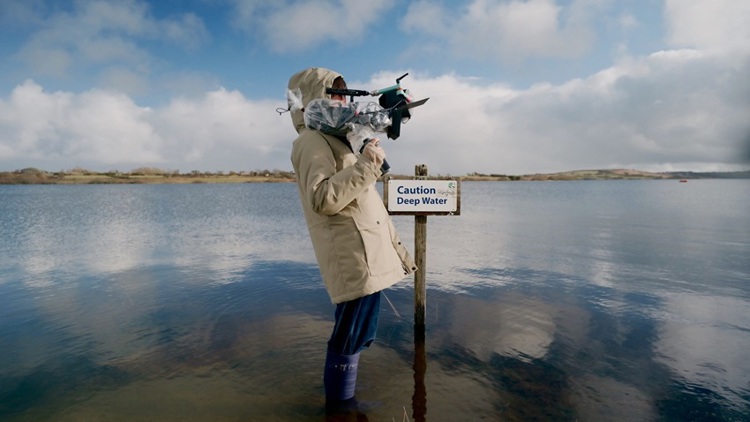
Was the ATA Carnet application process what you expected?
Broadly, yes. I expected it to be detail-heavy - especially the equipment list - but it was still more straightforward than I’d built it up to be in my head. Once you understand what information is needed, it’s mostly about being organised. And having a decent set of scales to hand to weigh everything!
What is the easiest part of the ATA Carnet application?
The actual submission is the easiest part - filling in the online forms and following the steps. The guidance is clear, so once your kit list is prepared, it’s quite smooth.
What is the most difficult part of the ATA Carnet application?
Getting the kit list perfect. You need to be precise and consistent - descriptions, serial numbers, values, and quantities - and that takes time if you’ve got a lot of items or you’re pulling kit from multiple cases. It’s not complicated, it just demands accuracy. and critically you've got to commit to it, as it's pretty set in stone once it's finalised.
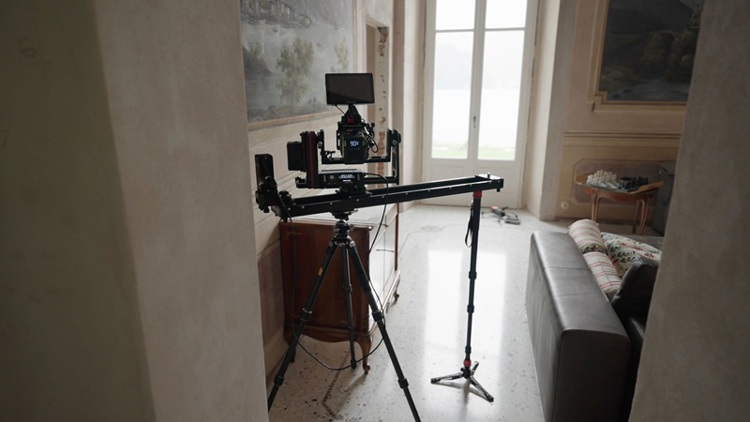
What other plans do you have to temporarily export?
More overseas shoots where I’ll be travelling with camera and production kit - commercial work and documentary-style projects are in the pipeline too. Anywhere outside the UK where I’m carrying a meaningful amount of equipment, I’d rather have the Carnet in place than take chances at the airport.
Do you have any advice for other companies looking to temporarily take their goods abroad?
Be organised early and assume everything takes longer than you want it to. Build a proper kit inventory before you even start the Carnet - serial numbers, values, and clear descriptions -because that’s what makes the application painless. Print and keep copies accessible while travelling, and at the airport allow extra time for customs steps. Some airports only have a customs desk airside, so if you're checking luggage that's part of your Carnet, which needs to be inspected, and you need to be prepared and adaptable on the ground. Finally, be consistent: if you travel internationally even a couple of times a year with valuable equipment, a Carnet is usually worth it for peace of mind alone.
Find out more about Highwater Films
Find out more about Business West ATA Carnets
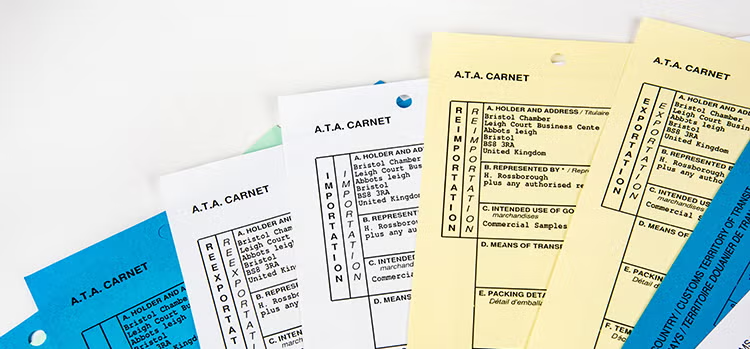
ATA CARNETS
Apply for an ATA Carnet today
Start creating and submitting your ATA Carnets today. To apply for your carnet, you'll be taken to our easy-to-use export documentation platform, eCert.