
A Day in the Life of Matt Tudge, Head of Skills at Business West
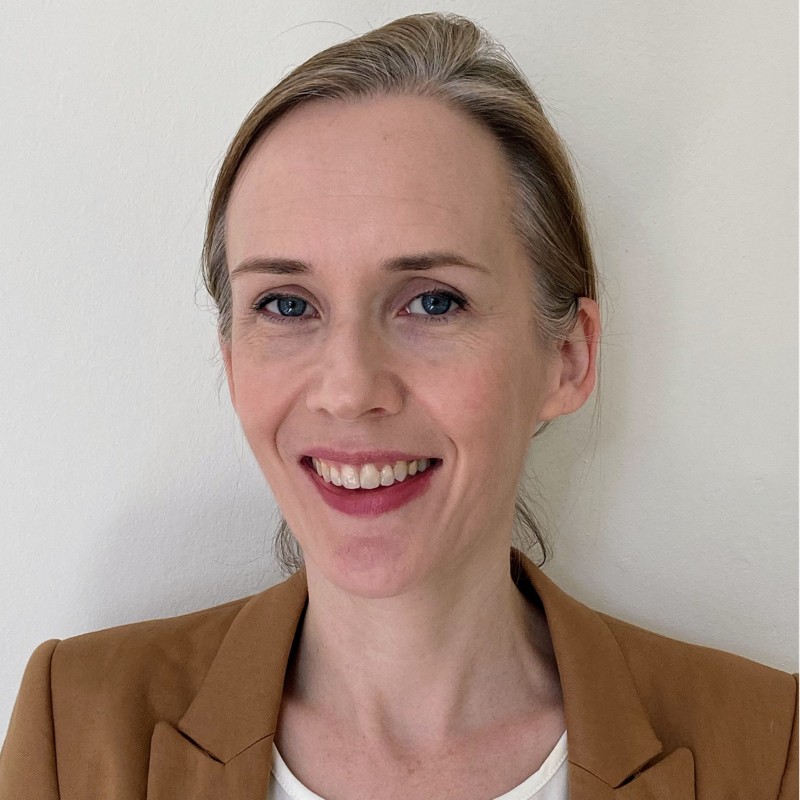
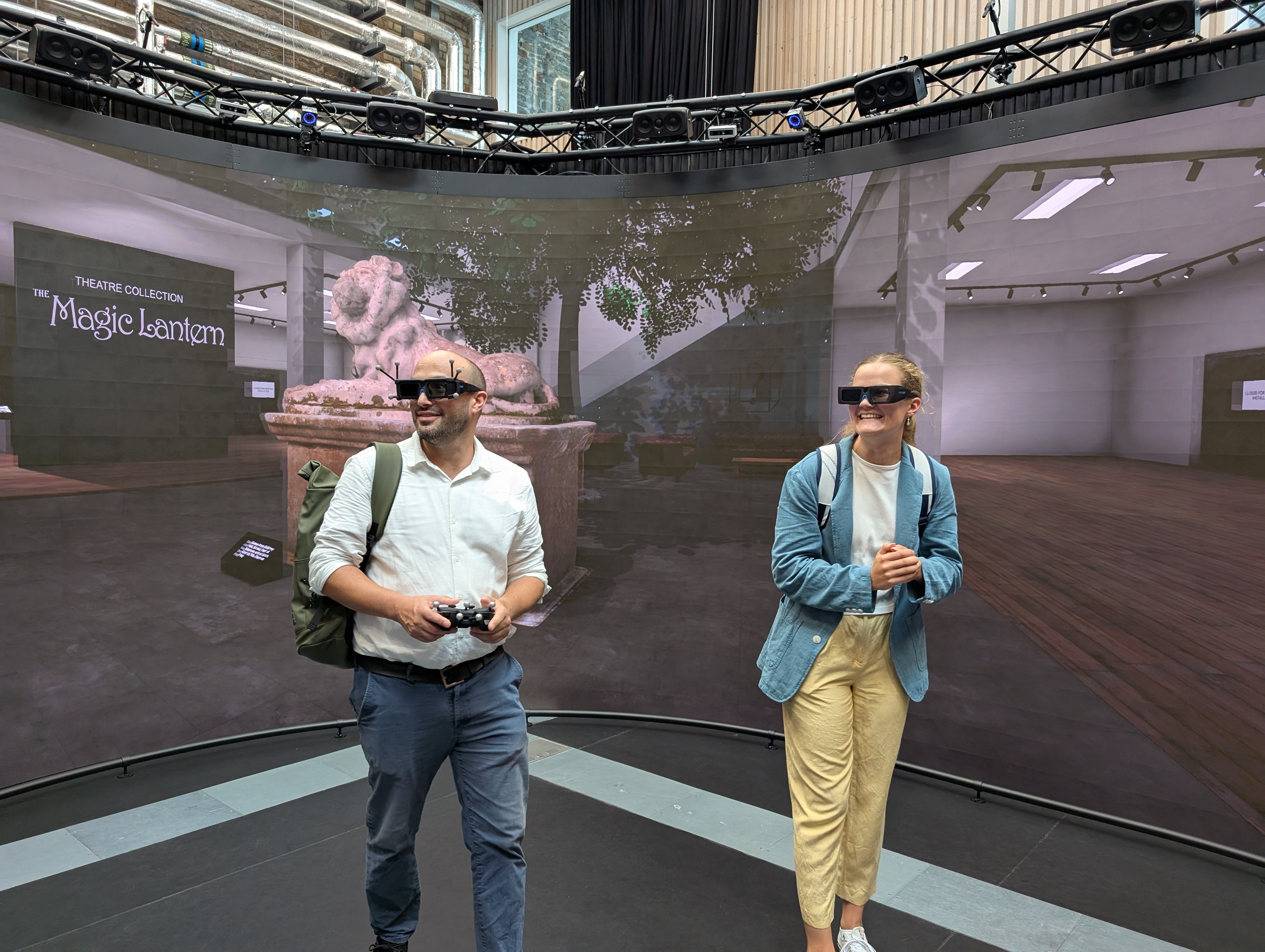
Meet Matt Tudge, who leads the Local Skills Improvement Plans (LSIPs) at Business West.
We caught up with Matt to find out about his unconventional career path, his thoughts on AI and leadership, and why he doesn't actually spend that much time talking about skills...
What is your role in simple terms?
It’s my job to help businesses find the people they need to be successful, ensuring the region we operate in is the best place to live, learn, work and thrive.
I do this by researching businesses’ skills needs and then working with stakeholders, partners and providers to understand how much of the challenge is a lack of awareness of existing provision, and how much is an opportunity for us as a region to design and deliver solutions that help businesses thrive.
What was your route to Business West?
I started here as an Innovation and Growth Specialist, specialising in nuclear. Previously, I worked at the Mayoral Combined Authority, supporting inward investment, particularly in the cleantech, fintech, energy and finance sectors.
Before that, it was a real mixture. I’ve been a chef, a care worker, an adult learning practitioner and I trained as a graphic designer. My team joke that whenever a career is mentioned, there’s a good chance I’ve tried it. I’m a generalist by nature, but when something interests me, I like to follow the thread and learn as much as I can.
Who do you work with?
Ideally, everyone. I think we should view growth through a range of lenses in every conversation we have with businesses, and skills is one of those lenses.
If you don’t have the people you need to do the work, nothing else matters. Other lenses include innovation, funding and finance, and exports. These are all elements that allow a business to do what it needs to do.
When I talk to a business about skills, I’m really asking about every aspect of the business while also identifying opportunities to address gaps or unlock growth.
What does a typical day look like?
I don’t really know what a typical day looks like, to be honest.
We cover skills across the West of England and North Somerset, Gloucestershire, Swindon and Wiltshire, and Somerset (in partnership with Somerset Chamber of Commerce), so I could be talking to anyone about anything skills-related.
About 70% of any given day is meetings and calls. There’s also a lot of report writing, presentations and people management. The skills team covers engagement, research, marketing and events, and we have a lot of sector expertise, with everyone bringing their own niche knowledge, such as green skills.
I typically work from home two days a week, spend one day in the office and am out and about for the other two.
How do you start your day?
With a coffee, usually. Then I read the headlines and check my inbox before the day starts so I can spot any surprises waiting for me there.
I’ll check in with the team, maybe send a couple of GIFs of animals wearing hats to keep spirits up, and then it’s usually straight into meetings.
What are your most important daily tasks?
Making sure everyone remembers what the LSIPs are and what we're here to do.
Every region has a slightly different system, so we need to ensure we aren’t duplicating activity but supporting partners in the right way. Being responsive is important. Many LSIPs outsource delivery, whereas we’ve brought everything in-house, which means we can be flexible and respond quickly to changing needs.
My message to business is simple: if you don’t know who to go to, come to us. Either we can help, or we’ll know someone who can. We want to understand people’s challenges because we’ll often know where to find the solution.
What type of decisions do you have to make?
Much of it is about deciding where to focus our resources to achieve the best outcomes for businesses. We want to maximise impact while ensuring we work collaboratively with partners.
I use a variation of the Ansoff Matrix, asking: is the task high or low effort, and is it high or low impact? That helps us decide what we should and shouldn’t be doing.
What moments during the day feel most rewarding?
I’m a praise glutton. I love hearing partners say the team has done exceptional work. We regularly receive thank-yous and positive feedback, and that’s definitely the best part of the job, hearing about the great work the team has been doing.
What might surprise people about your job?
Probably how little I actually talk about skills. The LSIP team talks about business and then translates that into skills solutions. If a company can’t recruit 3D-printing specialists, or it lacks the in-house expertise to drive AI adoption, we’ll help find a solution. Those conversations also give us valuable intelligence about the challenges businesses are facing. We start with business needs and work backwards to skills.
What are your views on AI?
It’s a double-edged sword. There are a lot of doomsayers and evangelists, but we need more people in the middle who understand both the opportunities and the risks.
People said similar things when the car and the computer were invented. Both created more opportunity, not less.
I don’t want to downplay the environmental considerations, as those are really important. But AI, used as a tool, could be a huge enabler of change and progress. We just need to ensure, like growth more broadly, that it is fair and inclusive.
What would you like people to know about the skills landscape?
If you have a challenge that you can’t solve on your own, there’s probably already a solution available. If there isn’t, we can help bring the right people together to create one.
Our team has a huge amount of expertise and is completely impartial. We do this because we genuinely want businesses and our region to thrive.
What are your lessons on leadership?
You learn how to lead by doing it, and when things don’t go well, you often learn even more.
Many of us become managers by accident rather than design, which is why leadership development is so important. If you trust and empower people, they don’t need constant direction. Command-and-control leadership feels outdated to me. Inspire-and-thrive is the future. If people are excited about their work, they’ll often lead themselves.
What excites you most about Business West’s future?
What doesn’t excite me about the future?
We have so many opportunities to lead; in aerospace, manufacturing, clean energy, and in helping to close the gap in social and economic inequality. What excites me most is how passionate our businesses are about making life better for people across the region.
What is your advice to someone interested in working in skills development?
You don’t need to understand education to work in skills. You need to understand business and know how to build relationships.
Most of my team have worked in hospitality. They can think on their feet, work under pressure and put people at ease. Those skills are incredibly valuable because businesses want to know you’re on the same page and that they can talk to you openly and honestly.
When you build that trust, good outcomes usually follow.