
A Healthier Earth – Case Study for The Great Big Green Week

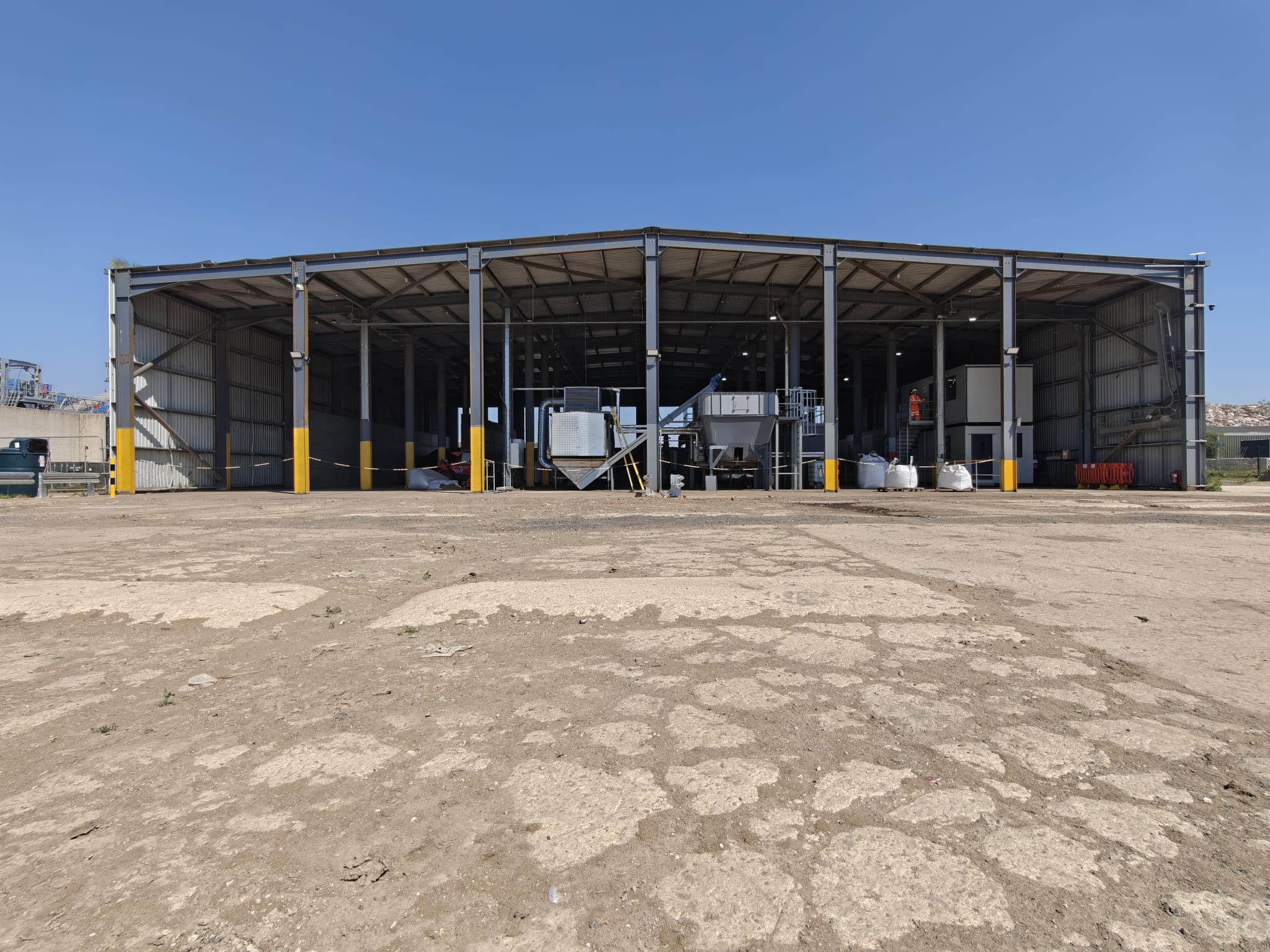
Earlier this year, as part of the Local Skills Improvement Plans (LSIPs) research into Clean Energy business needs, I spoke with David Welham, Site Manager at A Healthier Earth’s new biochar facility, and Jenny Hughes, Head of Carbon Removal.
The LSIPs are research projects working to ensure post-16 technical education and training aligns with business needs. I spoke with the Healthier Earth team to hear about the facility's ambitions to become the UK's largest biochar production site, and to better understand their current and predicted workforce needs.
What is Biochar and why does it matter?
Biochar is a carbon-rich material produced by heating organic matter - in this case, garden waste from Wiltshire Council - which is saved from going to landfill or incineration and is converted into a form of carbon that can be applied to agricultural soils, improving soil health and locking away carbon for centuries. The excess heat from the process is recovered to generate energy, supporting on site operations and compliance with European Biochar Certificate standards.
Once fully operational, the Royal Wootton Bassett site will produce around 11,500 tonnes of biochar each year, delivering up to 18,500 tonnes of permanent carbon removal annually - all to consistent, industrial-grade safety and quality standards.
Beyond agriculture, biochar has applications in water filtration, construction materials and even road surfaces, with Chippenham piloting one of the UK's first net zero road surfaces using the material.
Skills gaps in the south west
Since 1996, David has worked in large-scale industrial process environments, spending nearly 14 years at Didcot A power station before moving into Energy from Waste plants and becoming actively involved in recruitment in the south west of England.
Since working in Wiltshire, David has seen first-hand the difficulty in finding people with the right skills needed for this industry, and the lack of younger individuals pursuing these paths.
With younger workers seemingly drawn away from process-driven industrial roles, there is a real need to attract more new entrants in and showcase career opportunities and pathways.
What the facility wants to see in the future
In addition to closing the skills gaps Jenny highlighted the need for more practical, working-level collaboration with focused groups bringing together biochar producers, feedstock providers, farmers and end users to tackle real operational questions together, from feedstock variability and logistics through to soil application and performance. If this is something you would be interested in being a part of, please get in touch.
The needs and challenges shared by David and Jenny have directly informed the LSIP Clean Energy Report, due to be published later this month, which sets out recommendations to better support the industry including more joined-up campaigns to help raise awareness of the future proofed roles and pathways.
Business West looks forward to continuing working with the Royal Wootton Bassett site and helping to support local green job creation. We would like to thank David and Jenny for their time and input into the research. To share your green skills needs or help address the current skills shortfalls and challenges, please email me.