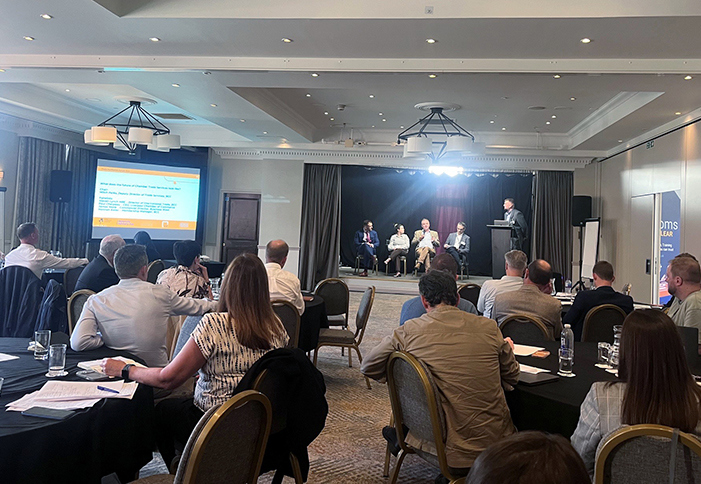
Today marks a major milestone for international trade as Digital ATA Carnets officially launch across the UK, EU, Switzerland and Norway.
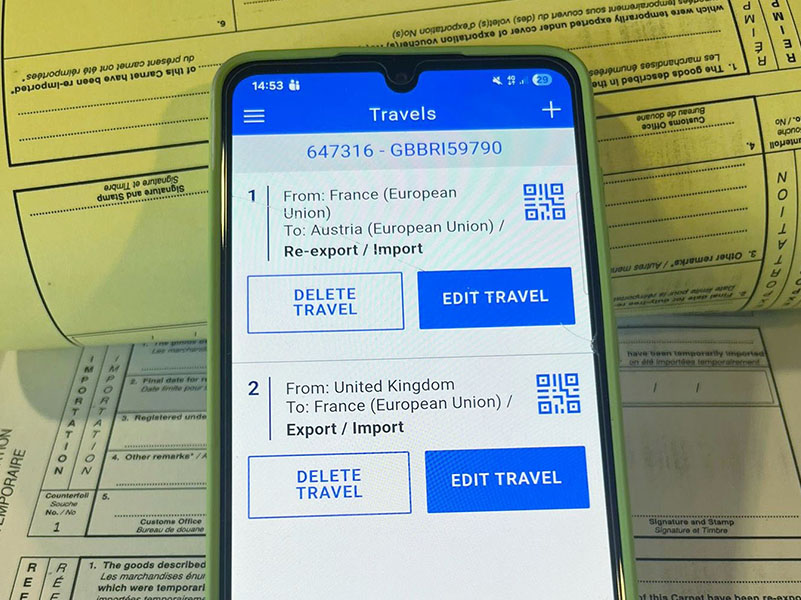
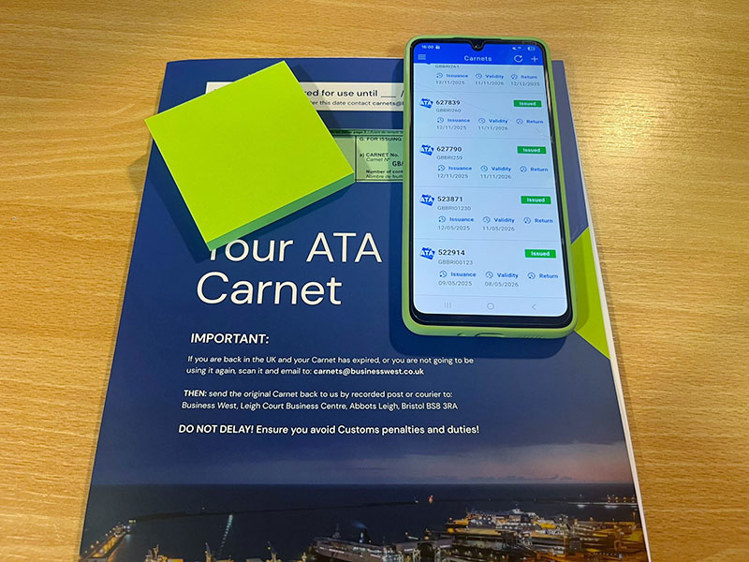
The move from paper to digital is set to transform how businesses temporarily export goods for exhibitions, trade shows, events, professional equipment and other temporary movements, bringing ATA Carnets into the digital age.
To mark the occasion, Catherine Stephens (Business West’s Head of International Trade Services) is travelling from Bristol to Paris using a Digital Carnet for the very first time. Catherine will be carrying professional equipment that she will be using for a presentation at the International Chamber of Commerce later this week.
Throughout her journey, Catherine will be sharing her experience in real time on LinkedIn, offering a behind-the-scenes look at what it's like to travel with a Digital Carnet. From locating Customs at Bristol Airport and presenting QR codes for validation, to arriving in France and completing the return journey back to the UK, she'll be documenting each stage of the process.
If your business uses ATA Carnets, or is considering temporarily exporting goods overseas, keep an eye on Catherine's LinkedIn updates over the coming days. Her journey will provide a practical insight into how the new Digital Carnet process works in practice and what businesses can expect as international trade takes another step towards a digital future.
Need help with Digital Carnets? Contact our expert team or find out more about Digital Carnets.