
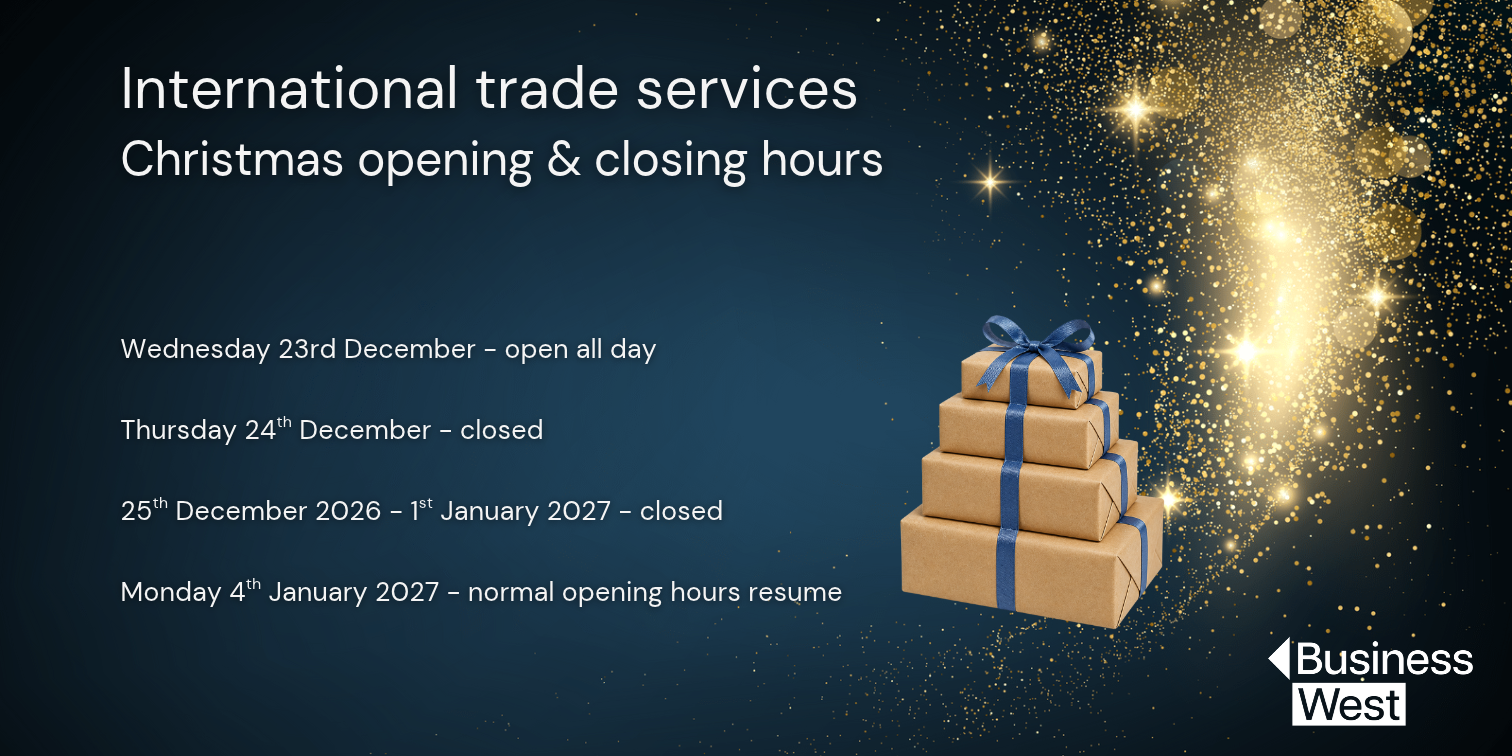
International Trade Services team: Christmas opening and closing hours

Fiona Parsons
24 November, 2026
Business West
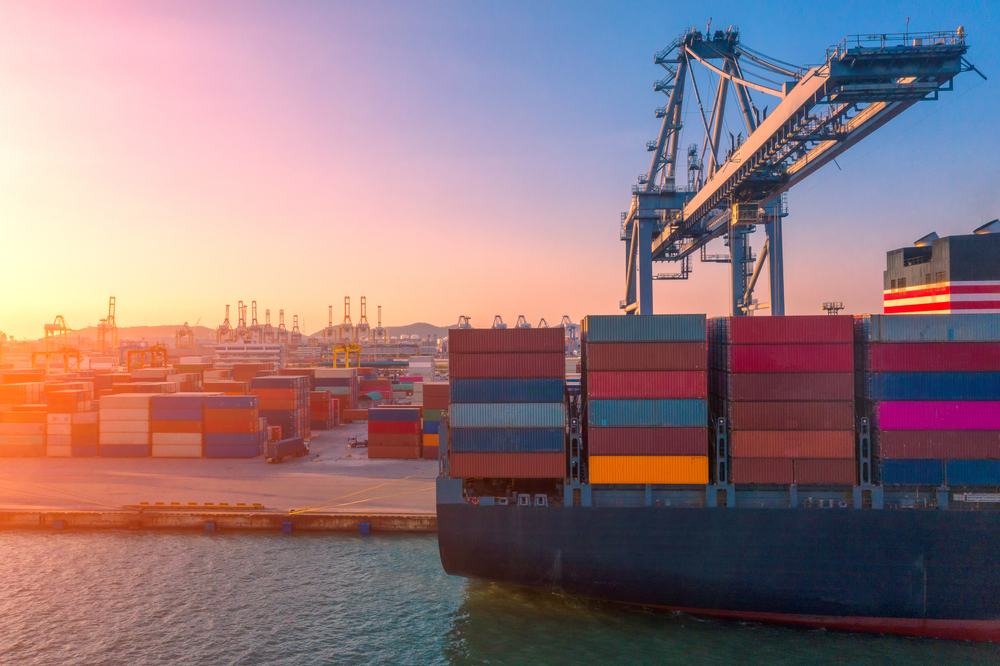
The latest UK trade figures from the Office for National Statistics suggest that international trade continues to hold up reasonably well despite ongoing global uncertainty and disruption in energy markets.
Goods exports increased month-on-month by 1.3% in April, with growth seen in both EU and non-EU markets. Exports to the EU rose by 1%, while exports to the rest of the world increased by 1.7%, demonstrating that demand for UK goods remains relatively resilient.
Services exports also continued to grow, albeit at a slower pace.
One notable trend within the data is the impact of global energy market disruption. Imports of fuel from countries outside the EU fell during April, while imports of refined fuel from the EU increased. This reflects how businesses and supply chains continue to adapt due to the blockade of the Strait of Hormuz in the Gulf.
For UK businesses trading internationally, the figures provide a reminder that opportunities for growth remain available, even in a complex trading environment. However, they also highlight the importance of having robust supply chains, understanding customs requirements, and making full use of the trade agreements available to reduce costs and improve competitiveness.
At Business West, our International Trade Services team supports businesses trading internationally with export and customs documentation, as well as expert advice on how Free Trade Agreements and rules of origin can help reduce costs and create new opportunities.
While the global trading environment remains challenging, these figures demonstrate that UK businesses continue to find opportunities in international markets. For exporters and importers alike, understanding how changing global events can affect supply chains, costs and customs requirements is becoming increasingly important. Businesses that stay informed and make full use of the support available to them will be best placed to remain competitive and take advantage of future growth opportunities.
Fiona Parsons
24 November, 2026
Business West

The UK–EU leaders’ summit on 20th November brought some welcome progress, particularly for businesses trading food, animals and plants. The UK and EU have concluded negotiations on new agreements, with the main changes for goods traders expected in 2028.
Fiona Parsons
23 November, 2026
Business West
You’ve agreed the order and arranged delivery. Then your customer asks for a Certificate of Origin. Or perhaps they want evidence that your goods qualify for lower tariffs under a trade agreement. These requests can sound similar, but they serve different purposes. Knowing the difference helps you prepare the right paperwork.
Fiona Parsons
10 November, 2026
Business West