
UK goods exports rise in May
UK goods exports increased by 5.2% in volume during May, according to the latest trade figures from the Office for National Statistics (ONS).

Fiona Parsons
20 July, 2026
Business West

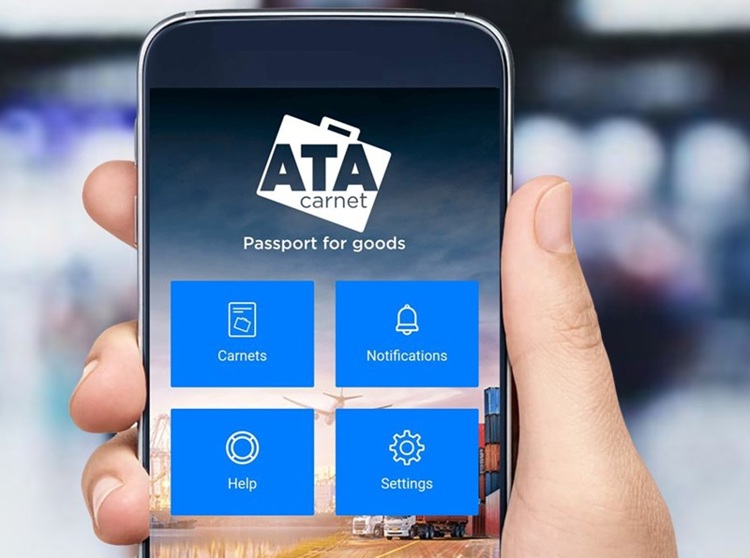

The good news is that the transition has been incredibly positive. During the first month alone, more than 5,200 transactions were successfully processed using UK-issued digital Carnets across the UK, EU, Switzerland and Norway.
In fact, following the successful roll out, countries such as France, Greece, and the Netherlands have been reported to have rejected paper Carnets.
One of the biggest questions we've been asked is whether businesses should still be carrying a paper contingency Carnet "just in case". The answer is no for digital-only journeys.
Paper Carnets should now only be used where:
Another encouraging development is that digital Carnets are already being used for temporary imports into the UK from countries that haven't yet fully adopted the system themselves, including Japan, India, China, Australia, Canada, Serbia, Thailand, Hong Kong, Moldova and Ukraine.
While these countries aren't yet accepting digital Carnets for their own exports, they're already embracing the new process when trading with digital-enabled countries, showing just how quickly the system is gaining momentum.
As more businesses begin using Digital Carnets, we've identified a few simple tips that can help make your journey even smoother.
1. Check your goods declarations carefully
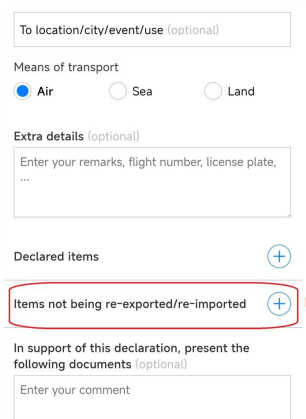
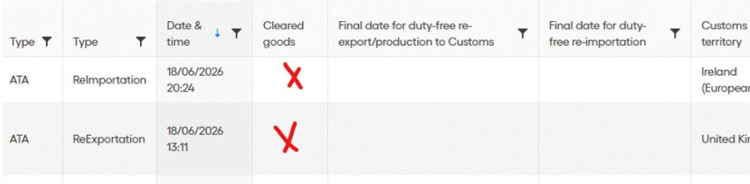
Ensure the goods (item numbers) are declared in the correct section of the travel. We’ve seen goods declared incorrectly in the 'items NOT being re-exported/re-imported'. This creates a discrepancy within the customs system, as it reports NO items being cleared.
2. Don't forget both QR codes
Ensure both the validation and exportation QR codes are consumed upon first use – overseas customs can reject if the Carnet has not been validated.
3. When using paper and digital for mixed itineraries:
Departure from UK:
A. If not returning to the UK between trips of digital and paper countries = validation + exportation must be presented for BOTH Carnets.
B. If returning to the UK before travelling to next destination = only the Carnet type required for that leg of journey should be presented for validation + exportation. The other can be processed on the next leg of the journey.
Return to the UK:
Present whichever GB Carnet(s) contains foreign customs endorsements.
4. Don't use screenshots
Customs officers need to see your eATA declarations (travels/QR codes).
5. Creating QR Codes/ travels for use in the EU (Import Re-Export)
6. Creating QR Codes/ travels for TRANSIT when crossing multiple EU member-states:
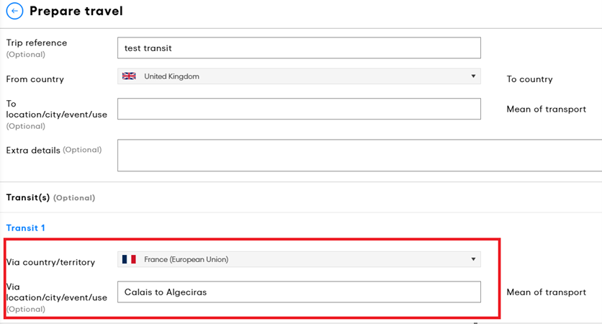
Digital Carnets continue to evolve, and we've already submitted a number of enhancement requests to the International Chamber of Commerce to improve both the app and customs systems.
As always, we'd love to hear your feedback. If you've used a Digital Carnet and have suggestions that could improve the experience, please let our team know - we'll continue to share customer feedback with the ICC as the system develops.
UK goods exports increased by 5.2% in volume during May, according to the latest trade figures from the Office for National Statistics (ONS).
Fiona Parsons
20 July, 2026
Business West

The latest news from the award-winning Business West International Trade team.
Helen Hodgson
20 July, 2026
Business West
New research by the British Chambers of Commerce (BCC) Insights Unit, involving over 2,400 exporters, shows overseas exports have fallen dramatically in the second quarter.
Fiona Parsons
16 July, 2026
Business West