
Employers driving real change through Local Skills Improvement Plans

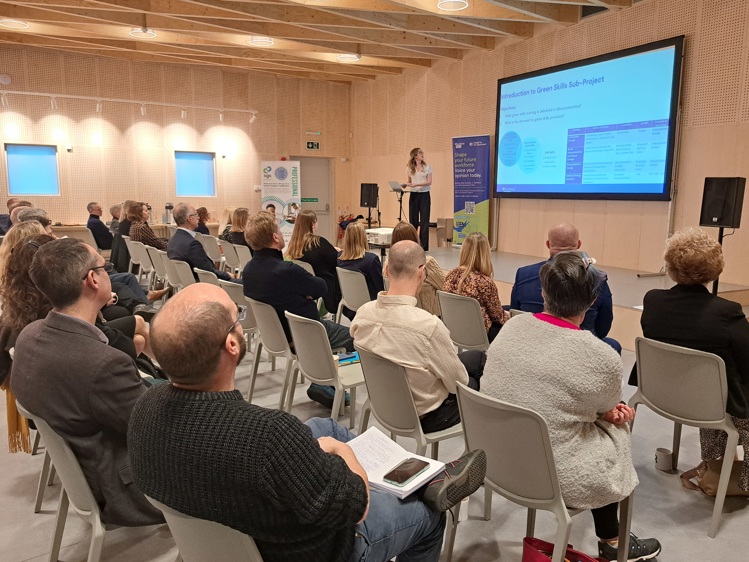
A new report has revealed that Local Skills Improvement Plans (LSIPs) are delivering real results for employers, colleges, training providers and learners across the country.
The analysis by the British Chambers of Commerce (BCC) has delved into the performance of LSIPs across England for the past four years.
It highlights the success of the LSIP model in engaging employers at scale, strengthening collaboration between education and business, and translating employer insight into practical change on the ground. This includes the development of new courses, upgraded facilities and improved alignment between training and jobs.
Business West Chambers of Commerce leads the LSIPs in the West of England and North Somerset, Swindon and Wiltshire, Gloucestershire and Somerset (in partnership with Somerset Chamber of Commerce), working with employers and partners to identify priority skills needs and turn them into meaningful action for businesses and learners.

Across the four local areas mentioned above, over 5000 employers have engaged with the LSIPs, giving insights about their business’s training requirements, skills gaps and recruitment challenges.
These businesses span a variety of priority sectors including Digital and Technologies, Transport and Logistics, Advanced Manufacturing, Construction, Green Energy, Professional Services, Cyber and Defence.
The insights have proven valuable, allowing Business West to work with education and training providers and other stakeholders to see real impact across the South West.
Between 2023 and 2025, colleges across the West of England and North Somerset, Gloucestershire, Swindon and Wiltshire and Somerset, benefitted from over £13 million of funding as part of the Local Skills Improvement Fund (LSIF).
The LSIF was established to enable further education providers across a geographic area to respond collectively to the priorities set out in the relevant LSIPs. Across these areas, the money has been invested in a variety of places such as:
- A new clinical skills room to support adult nursing, midwifery and health technical T Levels at City of Bristol College.
- New short course provision in retrofit, EV (Electric Vehicle) charging, Computer Aided Design (CAD) and Building Information Modelling (BIM) at Bath College.
- Rollout of new green and digital content across auto, AME (Advanced Manufacturing and Engineering), and construction, including EV skills embedded into core provision - Wiltshire College & University Centre.
- Direct partnership with Great Western Hospital supporting simulation-led training, placements, and new L1 entry pathways into the NHS – New College Swindon.
- Roll out of T Levels in Agriculture (Livestock, Crops, Engineering) from 2024, and in Animal Management and Science from 2025 – Hartpury University and Hartpury College.
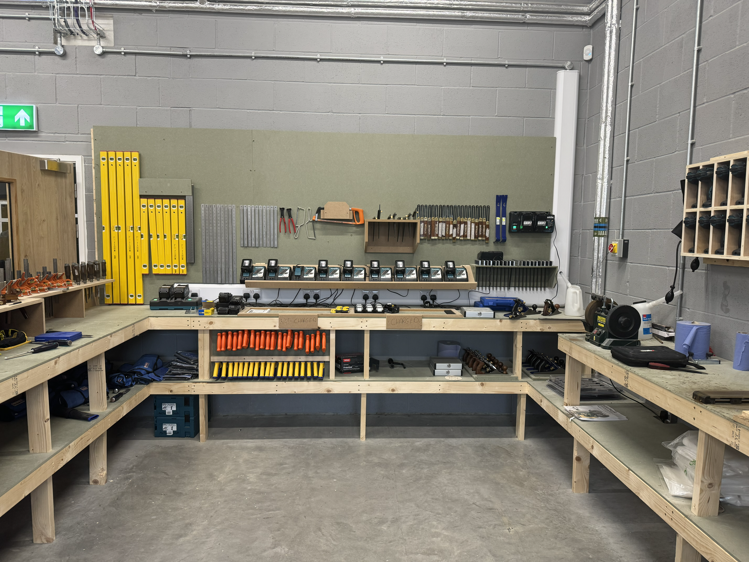
- Purchase of equipment and teaching resources for construction centre at the Cheltenham campus of Gloucestershire College.
- In Somerset, over 2,000 learners have already benefited from LSIF-funded investments, spaces, equipment, and tech that are in use now, not waiting on future plans. VR is training engineers, iPads are improving access for SEND (Special Educational Needs and Disabilities) learners, and digital labs are teaching real-world cyber skills. (Ref: Devon and Somerset LSIP Progress Report 2025.)
You can find more details in our 2025 LSIP Progress Reports.
Business West’s ‘Demystifying the Health and Social Care sector’ series of events, which was developed in response to needs set out in the LSIP, supported over 70 learners across three sessions in 2025.
In partnership with City of Bristol College, these events aimed to improve work-readiness of young people and new entrants to the workforce, particularly employability skills, confidence and awareness of career pathways, as well as address persistent gaps in critical and enabling skills including communication, problem solving and resilience. Positive feedback and outcomes were received from students, employers and college staff alike, plus offers of work have been made as a result.
Skills Bootcamps have also been introduced to address specific local skills gaps across the West of England and North Somerset, Gloucestershire, Swindon and Wiltshire, and Somerset. These bootcamps are government funded and cover a range of topics and sectors including Leadership and Management, Data Analytics and AI, Construction, Early Years, Digital Core Cyber and Green Skills.
While the report from BCC notes wider challenges facing the labour market, including the need to better engage young people with the world of work, its central conclusion is clear: LSIPs are working and provide a proven, employer-led framework that can be built on to drive long-term economic growth.
“LSIPs align training with real business needs by placing employers at the heart of skills planning. They strengthen collaboration with education providers, improve options for learners, and help businesses plan ahead—while giving employers a direct role in shaping a resilient, future-ready workforce.”
There are 39 LSIPs across England (33 of which are run by Chambers of Commerce), and they are helping to reshape the skills system, so it better supports productivity, growth and opportunity in local economies.