
 BLOG BY MEMBER
UK cladding remediation VAT rules and recovery explained for property owners
Cladding remediation remains a critical issue across the UK property sector. While safety is the priority, the VAT treatment of these works has emerged as a significant financial and policy challenge. Recent HMRC guidance and industry developments, including reporting in Inside Housing, highlight that the VAT position remains under active scrutiny.

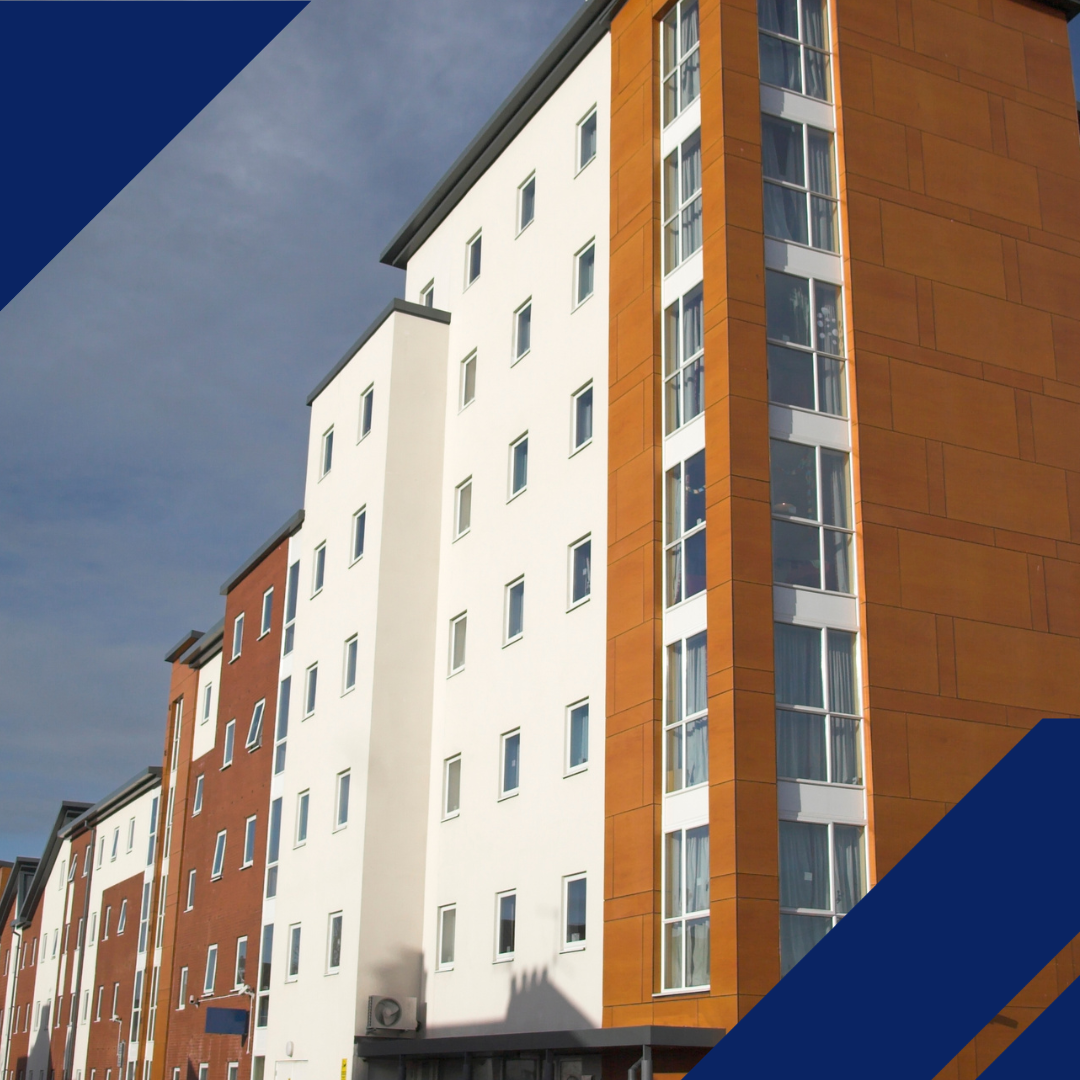
Cladding remediation remains a critical issue across the UK property sector.
While safety is the priority, the VAT treatment of these works has emerged as a significant financial and policy challenge. Recent HMRC guidance and industry developments, including reporting in Inside Housing, highlight that the VAT position remains under active scrutiny.
Default VAT position
Cladding remediation works carried out after completion are generally treated as a separate supply of construction services and subject to VAT at 20%. This applies in most practical scenarios, meaning VAT is typically incurred on remediation projects.
VAT recovery
VAT recovery is often restricted in residential structures where income is exempt. As a result, VAT becomes a real economic cost, increasing project costs significantly.
HMRC distinguishes between original construction (potentially zero-rated) and subsequent remedial works, which are typically treated as repairs or maintenance where VAT would be charged at the standard rate, currently 20%. However, a narrow exception exists where works qualify as’ snagging’, such as remedial works carried out under the original contract shortly after completion. This exception is interpreted very narrowly in practice and rarely applies to cladding remediation.
Accordingly, for a property developer, VAT recovery is frequently restricted where the property is wholly or partially residential and where the subsequent rental income, is exempt. As a result, VAT incurred on remediation works often becomes an irrecoverable cost.
Example scenario for cladding remediation costs
A residential developer incurs £5 million of cladding remediation costs. With VAT currently being applied at the standard rate of 20%, an additional £1 million becomes payable. As rental income is exempt, the VAT is largely irrecoverable, increasing total project cost to £6 million. As most cladding remediation works are standard-rated, recovery is often restricted, resulting in significant irrecoverable VAT costs across the sector.
Tribunal challenge and sector developments
HMRC is expected to face a First-tier Tribunal concerning the application of VAT to cladding remediation works. Industry estimates suggest VAT exposure in excess of £600 million, highlighting the scale of the issue.
Sector bodies continue to call for zero-rating of building safety works. Housing providers face cash flow challenges as VAT must be paid upfront even where recovery is limited.
How Gravita can help
If cladding remediation costs are affecting your project, our VAT specialists can help you understand the potential VAT exposure, recovery position and wider financial implications. Speak to us to discuss your circumstances. Get in touch by email or visit our website.